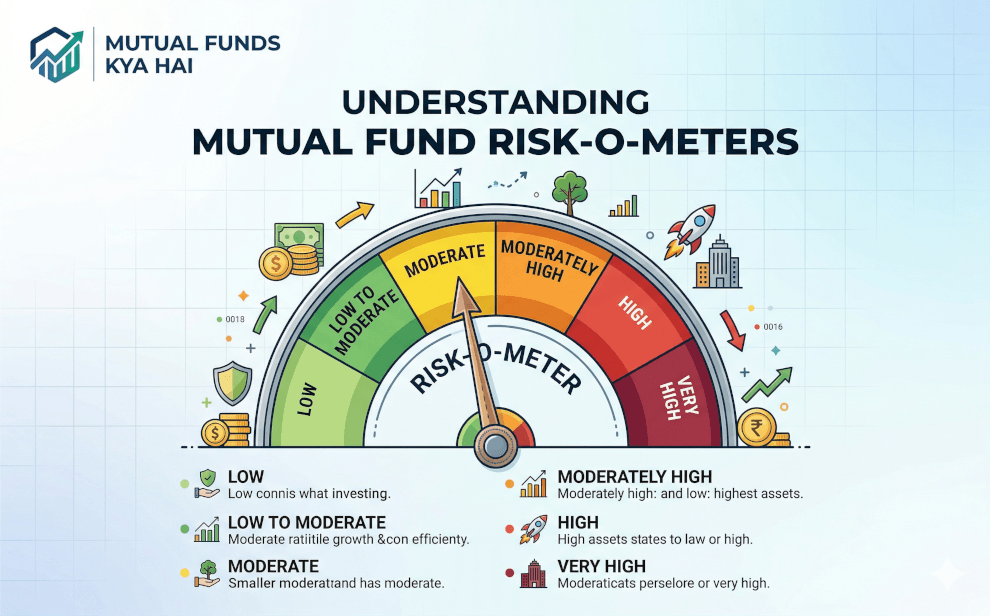
What are Risk-o-meters? Your Visual Compass for Uncertainty
In an increasingly complex world, the ability to understand, assess, and communicate risk is more vital than ever. Whether you're managing a complex project, evaluating cybersecurity threats, or planning a strategic business move, deciphering potential pitfalls quickly and clearly can make all the difference. This is where the often-underestimated yet powerful tool known as a risk-o-meter comes into play.
What Exactly is a Risk-o-meter?
At its core, a risk-o-meter is a visual indicator designed to provide a rapid, intuitive assessment of a specific risk or overall risk posture. Think of it like a dashboard gauge for risk – instantly conveying whether things are running smoothly or if there's a problem brewing. It takes complex analytical data and distills it into an easily digestible format, often using universal visual cues.
While designs can vary, common characteristics of a risk-o-meter include:
- Color-Coding: Typically employs a traffic-light system (Green, Amber/Yellow, Red) to denote different levels of risk severity.
- Scales: Often uses a numerical or descriptive scale (e.g., 1-5, Low-Medium-High, Acceptable-Tolerable-Unacceptable).
- Simplicity: Designed for immediate comprehension, even by those without a deep understanding of the underlying risk analysis.
How Do Risk-o-meters Work? The Underlying Mechanics
The simplicity of a risk-o-meter's display belies the robust analysis that typically feeds into it. Most risk assessments consider two primary dimensions:
- Likelihood (Probability): How likely is it that a specific risk event will occur?
- Impact (Consequence): If the risk event does occur, what will be the severity of its consequences?
These two factors are often combined using a risk matrix (e.g., a 5x5 grid where likelihood and impact scores intersect) to generate an overall risk score. This score then maps directly to a predefined level on the risk-o-meter:
- Green (Low Risk): Often indicates an acceptable risk level where the likelihood and impact are minimal. Actions might include ongoing monitoring.
- Amber/Yellow (Moderate Risk): Suggests a risk that requires attention, further investigation, and potentially specific mitigation strategies. It's a "proceed with caution" signal.
- Red (High Risk): Signals a significant threat that demands immediate action, substantial mitigation, or even avoidance. This is a critical warning.
Key Benefits of Utilizing Risk-o-meters
Incorporating risk-o-meters into your risk management framework offers numerous advantages:
- Enhanced Communication: They break down complex risk data into an easily understandable format, facilitating clear communication across all stakeholder levels, from technical teams to executive boards.
- Faster Decision-Making: By providing an instant snapshot of risk, they enable quicker, more informed decisions without the need to delve into lengthy reports.
- Improved Prioritization: Allows organizations to swiftly identify and prioritize the most critical risks that require immediate attention and resource allocation.
- Consistent Assessment: Standardizes risk evaluation, ensuring that different risks are assessed and compared using a uniform, transparent methodology.
- Promotes Proactive Management: Encourages early detection and the development of preventative measures, shifting from reactive problem-solving to proactive risk mitigation.
- Increased Accountability: Makes it easier to assign ownership to risks and track their status over time.
Common Applications and Examples
Risk-o-meters are incredibly versatile and can be found in various fields:
- Project Management: Displaying the overall health of a project, identifying schedule overruns, budget risks, or resource constraints.
- Cybersecurity: Indicating the current threat level of a network, severity of a vulnerability, or the risk associated with a specific incident.
- Health and Safety: Assessing workplace hazards, operational safety status, or the risk level of specific machinery.
- Financial Services: Gauging investment risks, credit risks, or market volatility.
- Compliance & Regulatory: Showing the risk of non-compliance with regulations or internal policies.
- Environmental Management: Assessing the impact of environmental hazards or sustainability risks.
Conclusion
Risk-o-meters are far more than just decorative visuals; they are powerful, practical tools for translating complex risk information into clear, actionable intelligence. In a world saturated with data, their ability to cut through the noise and provide immediate insights makes them indispensable for effective governance, project success, and strategic planning. By embracing the simplicity and power of a risk-o-meter, individuals and organizations can navigate uncertainty with greater confidence and control.
Frequently Asked Questions About Risk-o-meters for AMCs
Q: What are the six risk-o-meter levels defined by SEBI? A: SEBI defines six risk levels: Low, Low to Moderate, Moderate, Moderately High, High, and Very High. Each level corresponds to a specific colour and position on the risk-o-meter dial.
Q: How often must AMCs update the risk-o-meter for each scheme? A: SEBI requires AMCs to evaluate and update the risk-o-meter every month based on portfolio composition as of the last day of that month. The updated risk-o-meter must be disclosed on the AMC website and AMFI within 10 days of month end.
Q: What happens when a scheme risk-o-meter level changes? A: The AMC must notify unitholders via email and SMS within 30 days, disclose the change on the AMC and AMFI websites, and reflect the updated risk-o-meter in all scheme documents including the SID, KIM, and factsheet.
Q: How does a risk-o-meter change affect automated document generation? A: In automated document generation systems like ours, a risk-o-meter change requires updating only the scheme's input file. The system then regenerates the SID, KIM, factsheet, FM-wise reports, snapshots, and category files simultaneously — ensuring complete consistency across all documents with minimal manual effort.
Q: What methodology does SEBI require for calculating the risk-o-meter level? A: SEBI requires AMCs to calculate risk-o-meter levels based on portfolio composition, assigning risk values to each security based on credit risk, interest rate risk, and liquidity risk for debt instruments, and market capitalisation and volatility for equity instruments. The weighted average risk value of the portfolio determines the overall scheme risk level.
Q: Can investors rely on the risk-o-meter as the sole measure of investment risk? A: No. The risk-o-meter is a standardised disclosure tool for a quick relative view of risk. It does not capture all risks. Investors should read the full SID and consult a financial advisor before investing in any scheme.